About us
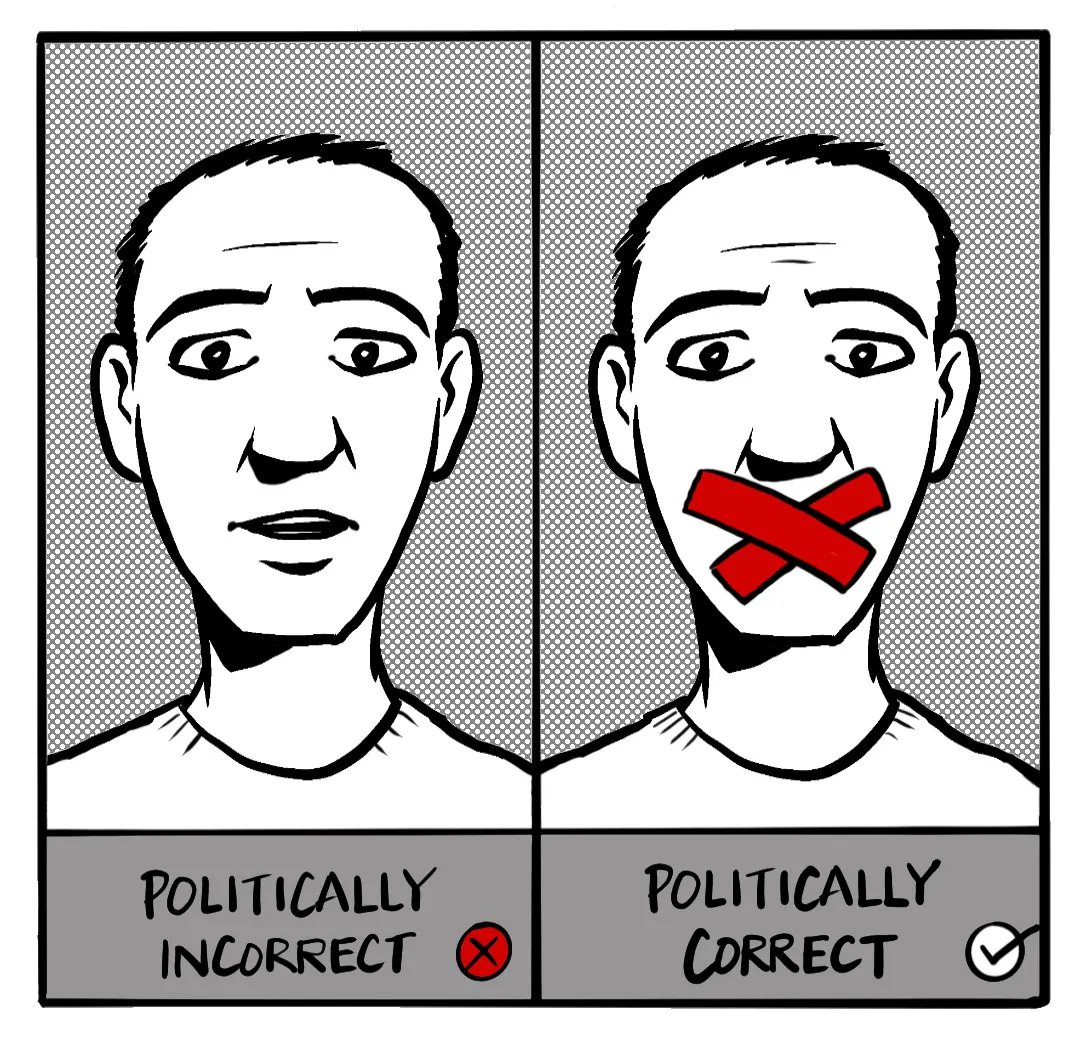
Why We Do What We Do?
As investigative journalists, the Right to Information Act has been indispensable to our work. It helped us uncover who was donating to political parties through electoral bonds, how many families received compensation after losing loved ones during the pandemic, and where governance fell short of promises. Time and again, we used RTI to expose corruption and the gap between policy and delivery.
But reporting through RTI was never easy. Delayed replies, evasive responses and outright silence became routine — steady reminders that the Act was being hollowed out from within.
When the Digital Personal Data Protection (DPDP) Act and its operational rules came into force, it felt like another nail in the coffin for investigative journalism. Our team dug in. Our founding editor, Nitin Sethi, chose to challenge the changes legally by moving the Supreme Court. The rest of us turned to telling the story of the RTI Act and how it had already endured a thousand cuts long before these new laws arrived.
This project rests on a simple hope: that people see the RTI for what it truly is. It is not a tool meant only for journalists or researchers. The right to information is foundational to being citizens in this democracy. It is how we question power, demand accountability and participate meaningfully in public life. And we cannot allow it to be eroded.
Team RTI404.
People Behind The Project
.webp)
Angana Chakrabarti
Angana is journalist with The Reporters' Collective based out of Guwahati. She once spent an entire day scouting for Rs 10 postal orders for RTI applications, only to be turned down by the post offices.
“I am obsessive because they hide the answers. I could have been a little less annoying, had it not been for the government.”
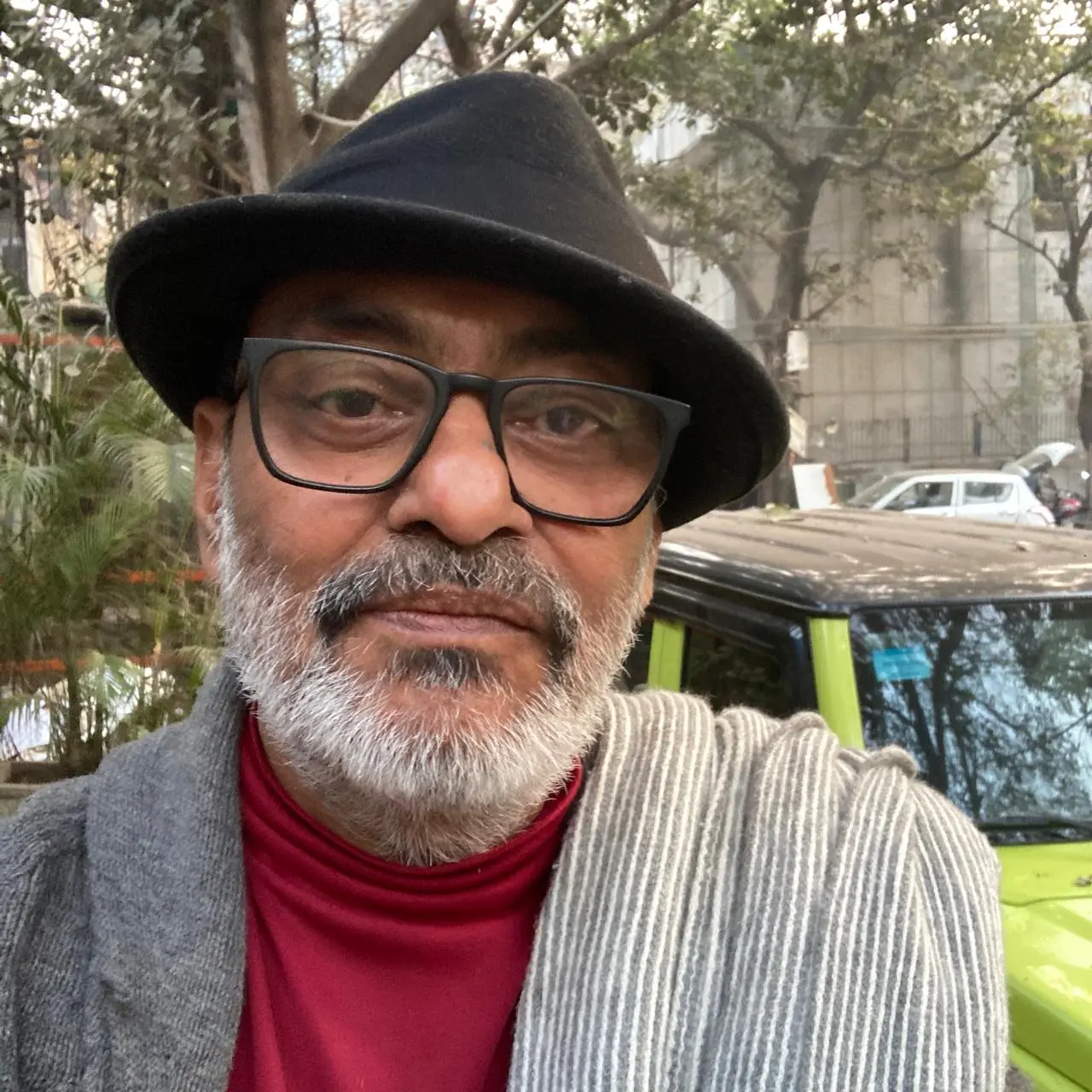
Pradip Saha
Pradip earns his livelihood by translating research into communication.
“It’s a challenge to visualise non-existent answers.”

Meher Kaur
Meher is a researcher and former teaching fellow at Ashoka University. She has specialised in fieldwork and is interested in how RTI denials shape public and power relations.
“Most critical aspect of collating RTI denials has been getting to know how many public secrets exist behind red tape.”

Harshitha Manwani
Harshitha has been a reporter with four years of experience. She is a co-ordinator and social media manager at The Reporters’ Collective. Like all of us, she’s had quite run with buying postal orders for RTI applications.
“I filed many during COVID, 3-4 years ago, about the Rs 1 lakh compensation state governments were giving to families of the deceased….I still get replies to this day.”

Nitin Sethi
Nitin is the founder, editor-in-chief of The Reporters’ Collective and now petitioner in the Supreme Court case fighting against the Digital Personal Data Protection Act, 2023 and Digital Personal Data Protection Rules, 2025.
“They have turned it into a farce. Let’s show how.”
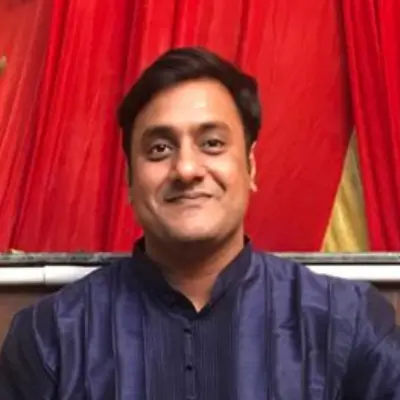
Mayank Aggarwal
Mayank is a journalist with over 20 years of experience and is a trustee of The Reporters’ Collective Trust. He helps RTI users from across India.
“Do we have a timeline or map to show how RTI was amended or weakened over the years”

Ayushi Kar
Ayushi is an investigative journalist with The Reporters’ Collective. Recently, she’s been reporting on the Special Intensive Revision of the voters rolls being done by the Election Commission of India. And collecting stacks of unanswered RTIs.
“It’s just too difficult to keep interpreting the national RTI law and the Acts in different states.”

Redacted
{{if(emptystring; 404; )}}

Chandrani Sinha
Chandrani is an independent journalist with an experience of 14 years. She has used the Right to Information Act as a reporting tool to pursue questions of public accountability.
Her RTI work has taken her from government records to the courtroom.
“A story often becomes interesting , when the government starts saying there is no information. Because sometimes this can end up as evidence in court rooms”.
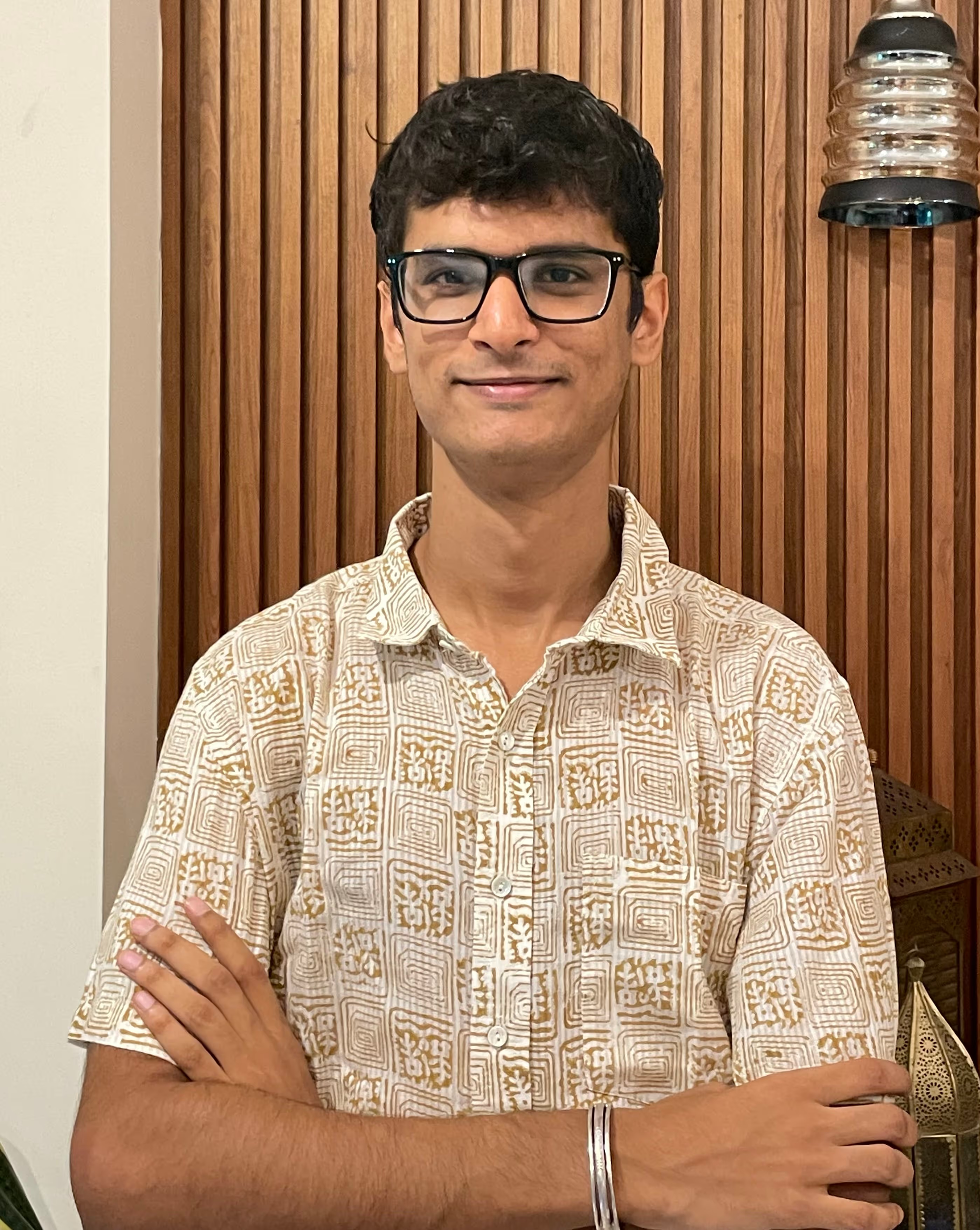
Aggam Walia
Aggam is a freelance reporter and former business correspondent. RTI has been a favourite with him, especially when it comes to uncovering corporate lobbying.
“RTI denials have made me a skeptical person, and that skepticism has seeped into my outlook on everything that matters.”

Gayatri Sapru
Gayatri holds a postgraduate diploma in advanced research in anthropology from Ashoka University, specialising in fieldwork, research, and multimedia communication.
“I have reached out to 100 RTI activists. 40 said they’ll get back with denials.”