under
THE DPDP ACT

A fight is on.
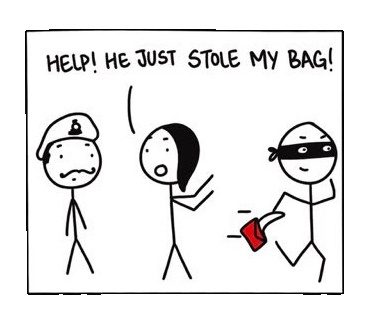
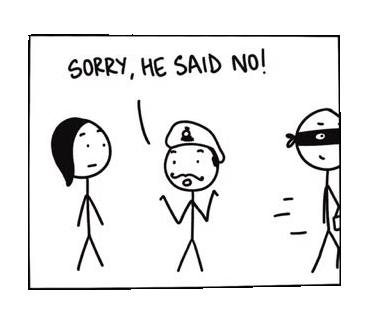
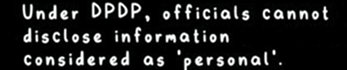
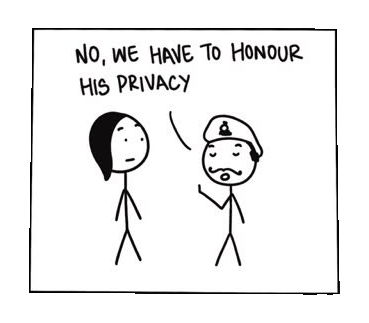
IN THE NAME OF PROTECTING YOU, THE GOVERNMENT HAS PASSED A NEW LAW THAT GIVES IT THE POWER TO STRIP YOU OF YOUR PRIVACY. THE LAW ALSO
WATERS DOWN YOUR RIGHT, UNDER THE RTI ACT, TO KNOW WHAT THE GOVERNMENT SAYS AND DOES. PEOPLE ARE FIGHTING AGAINST THIS PERVERSE LAW IN COURT AND OUTSIDE.
KNow more about the act.
Act now.


.png)
.png)

11 commands to erase your right to information
// WHEN YOU DON’T KNOW WHAT THE GOVERNMENT IS UP TO.
YOU CANNOT HOLD IT ACCOUNTABLE.
THAT’S THE PLAN.
THAT IS THE DPDP ACT.

[
0
1
what is the right to information act?
The Right to Information Act, enacted in 2005, empowers citizens to request information from public authorities, promoting transparency and accountability in governance. It aims to enhance the democratic process by allowing individuals to access information that is crucial for informed decision-making.
[
0
2
Who can file an RTI application?
Any citizen of India can file an RTI application. There are no restrictions based on age, gender, or educational qualifications. The act ensures that every individual has the right to seek information from public authorities.
[
0
3
What information can be requested under RTI?
Under the RTI Act, citizens can request any information held by public authorities, including records, documents, opinions, and data. However, certain information is exempt from disclosure, such as information affecting national security or personal privacy.
There are 22 intelligence and security organisations that are exempted from the RTI Act as per the laws’s second schedule.
[
0
4
How to file an RTI application?
To file an RTI application, you need to submit a written request to the relevant public authority. The application can be submitted in person, by post, or online through the RTI portal, depending on the authority's provisions. In the application, you will be required to provide your name, address, and the specific information you are seeking.
[
0
5
What is the time limit for receiving information?
Public authorities are required to respond to RTI applications within 30 days of receipt. If the information requested concerns the life or liberty of a person, the response time is reduced to 48 hours.
[
0
6
Is there a fee for filing an RTI application?
Yes, there is a nominal fee for filing an RTI application, which varies by state. Typically, the fee is around INR 10, but additional charges may apply for providing the information, such as photocopying or postal charges.
[
0
7
What if my RTI application is rejected?
If your RTI application is rejected, you have the right to appeal the decision. You can file a first appeal with the designated First Appellate Authority within 30 days of receiving the rejection notice (or when a response was due). If you are still not satisfied, you may file a second appeal within 90 days before the Central Information Commission or the concerned State Information Commission. The Commission may call for written submissions and schedule a hearing (in person or via video conference), after which it can order disclosure of information and, where appropriate, impose penalties on the Public Information Officer.
[
0
8
Can RTI be used to seek information from private organizations?
No, the RTI Act applies only to public authorities and not to private organizations. However, if a private entity is substantially funded by the government, it may be subject to RTI provisions.
[
0
9
What are the penalties for non-compliance with RTI?
Public Information Officers (PIOs) who fail to provide information or do not comply with the RTI Act can face penalties, including fines. The act ensures accountability among officials responsible for providing information.
[
0
10
How does RTI promote transparency?
The RTI Act promotes transparency by allowing citizens to access information about government functioning, decisions, and policies. This access helps to reduce corruption and encourages public participation in governance.
.png)


a fight back
// LET'S CLAIM OUR RIGHTS BACK.
WE ARE FIGHTING FOR IT IN THE SUPREME COURT. THAT'S NOT ENOUGH.
JOIN US IN SPREADING THE WORD.

THE REPORTERS' COLLECTIVE HAS FILED A PETITION IN THE SUPREME COURT AGAINST THE UNCONSTITUTIONAL PROVISIONS OF THE DPDP ACT.
THIS IS THE ONLY CASE FILED BY A WORKING NEWSROOM AGAINST THE PERVERSE LAW.
The petition, besides asking for other changes, demands
[01] RTI Act be restored to its original
[02] An exception for anyone using data and information for public purpose,including journalists, researchers, whistle-blowers and civil society watchdogs.
Our team of lawyers is led by Abhishek Manu Singhvi.
The team: Apar Gupta, Muhammad Ali Khan, Indumugi C, Naman Kumar, Omar Hoda,Eesha Bakshi and Uday Bhatia.
Read our petition.
More petitions
[01] Transparency Activist, Venkatesh Nayak. Read it.
[02] National Campaign for People's Right to Information.
[03] Geeta Seshu & Software Freedom Law Centre. Read it
[04] Foundation For Media Professionals.
[05] Mazdoor Kisan Shakti Sangathan.
Updates
If you want to know how the cases are going (Or, not going anywhere)
June, 2026: Silence
Silence from the government and the court.
May 16, 2026
The government does not file a reply. The Supreme Court does not list the case for hearing.
Rest of May, 2026
Silence from the government and the court.
March 23, 2026
Nothing happens. Listed for May 16, 2026.
March 12, 2026
Geeta Seshu & Software Freedom Law Centre file petition. Supreme Court issues notice on it too.
February 16, 2026
A Bench of Chief Justice Surya Kant, Justice Joymalya Bagchi and Justice V M Pancholi of Supreme Court refused to grant an interim stay order on DPDP Act while the hearing is on. CJI Kant commented that “to create a balance between both rights (public interest and privacy), we might have to iron out some creases”. The Bench ordered the matter to be placed before a larger constitutional bench listed to be heard on March 23, 2026 and asked The Centre to file its response by that day.
February 1-15
Three petitions filed. By Venkatesh Nayak, The Reporters’ Collective and National Campaign for People's Right to Information. CJI lists the hearing for a stay on February 16, 2026.
A timeline to silence
// PRIVACY WAS MEANT TO PROTECT THE CITIZEN FROM THE STATE. THE DPDP ACT HAS FLIPPED THAT PROMISE oN ITS HEAD TO PROTECT OFFICIALS.

A series of unfortunate events
June, 2026: Silence
Silence from the government and the court.
May 16, 2026
The government does not file a reply. The Supreme Court does not list the case for hearing.
Rest of May, 2026
Silence from the government and the court.
March 23, 2026
Nothing happens. Listed for May 16, 2026.
March 12, 2026
Geeta Seshu & Software Freedom Law Centre file petition. Supreme Court issues notice on it too.
February 16, 2026
A Bench of Chief Justice Surya Kant, Justice Joymalya Bagchi and Justice V M Pancholi of Supreme Court refused to grant an interim stay order on DPDP Act while the hearing is on. CJI Kant commented that “to create a balance between both rights (public interest and privacy), we might have to iron out some creases”. The Bench ordered the matter to be placed before a larger constitutional bench listed to be heard on March 23, 2026 and asked The Centre to file its response by that day.
February 1-15
Three petitions filed. By Venkatesh Nayak, The Reporters’ Collective and National Campaign for People's Right to Information. CJI lists the hearing for a stay on February 16, 2026.